By Sophia Bao
Earlier student research, edited for clarity in 2026. The experimental sections describe the studies I reviewed at the time.
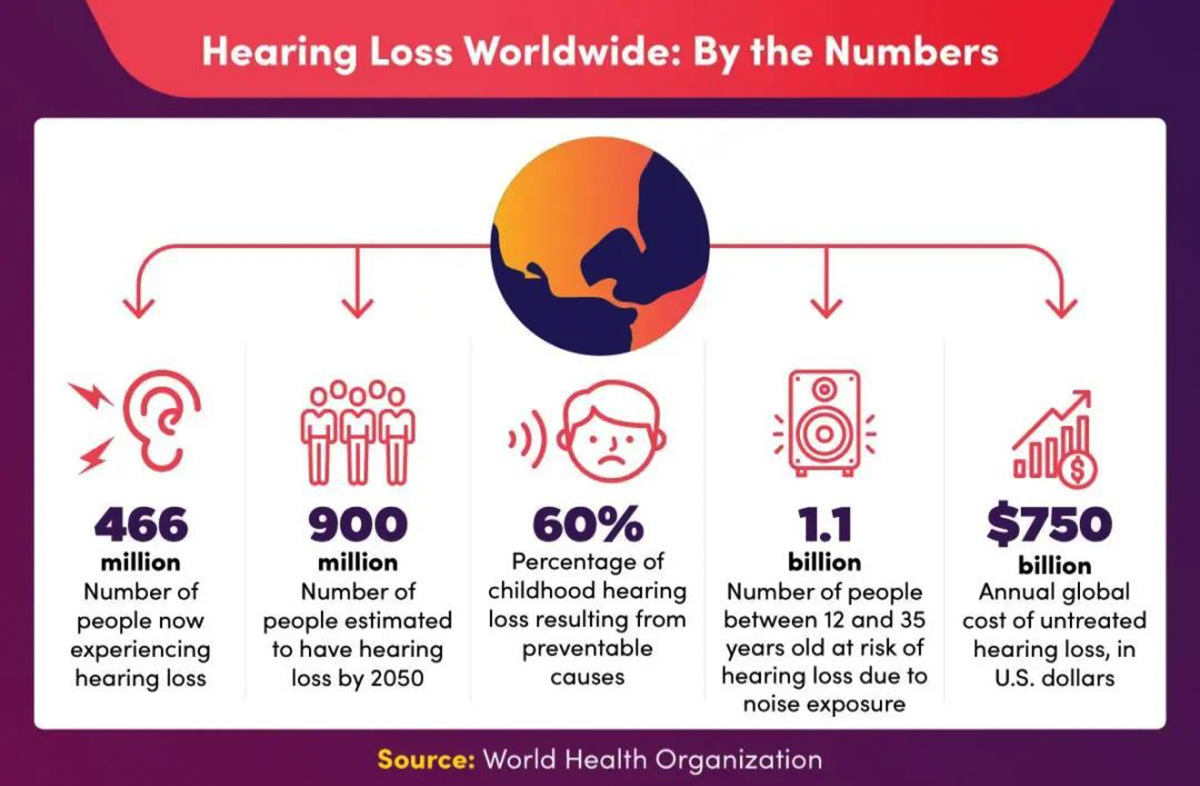
Causes, diagnosis and treatment
Hearing loss affects people around the world, but its causes, diagnosis, and management are not always well understood. Learning about these areas can help us better understand the needs of people who are deaf or hard of hearing.
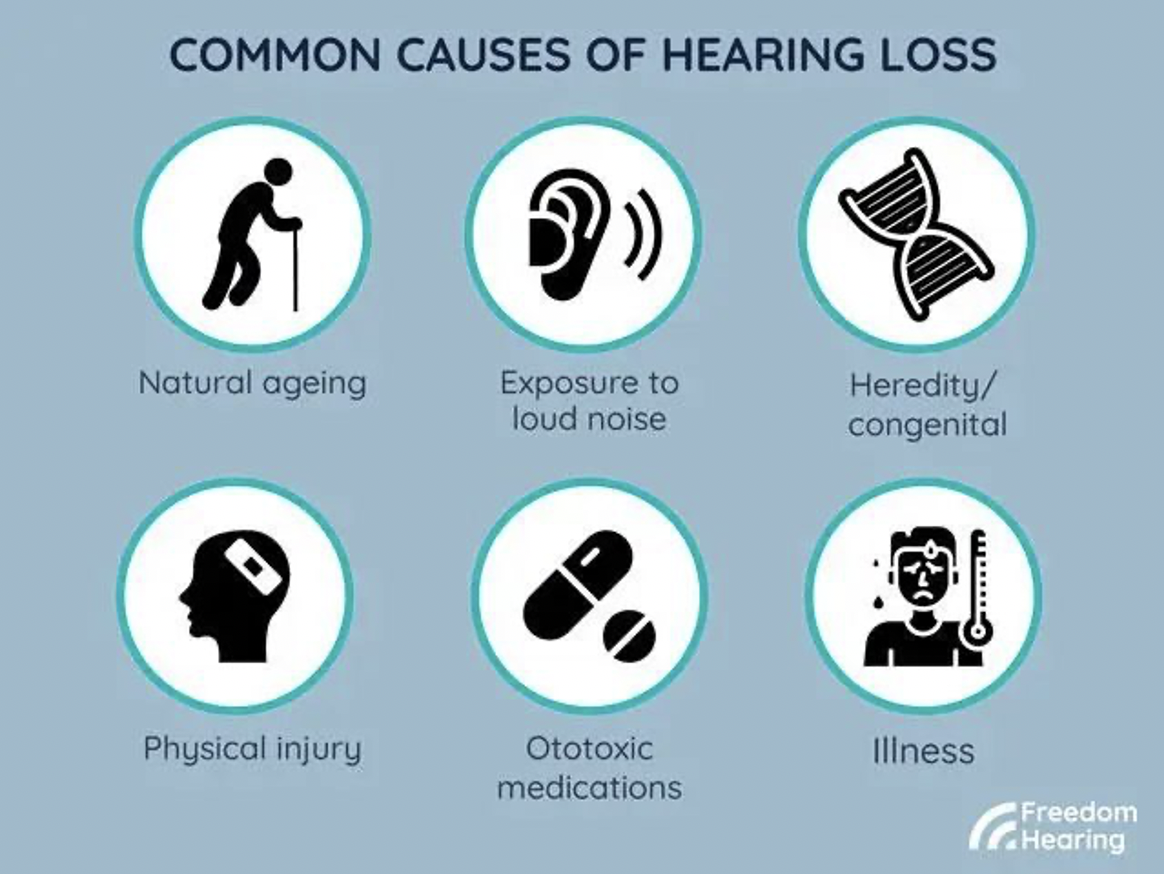
Before discussing causes, it helps to understand the different forms of hearing loss. The five categories discussed here describe where difficulties can occur along the auditory pathway.
1. Conductive: Occurs when the outer or middle ear prevents sound from reaching the inner ear and brain. Causes can include
• blockage of the outer ear or ear canal,
• an ear infection with fluid
• a malformation of the outer or middle ear.
2. Sensorineural: Usually the result of a problem with the cochlea, either through malformation or damage. Damage can occur from infections such as meningitis or as a side effect of certain ototoxic medications (toxic to parts of the ear). This type of hearing loss typically cannot be treated with medication.
3. Mixed: A combination of conductive and sensorineural hearing loss.

4. Neural: A rare condition resulting from damage or malformation to the auditory (hearing) nerve that connects the cochlea (inner ear) to the brain. The hearing loss is usually profound and permanent.
5. Auditory Neuropathy: Occurs when sound travels through the inner ear normally, but the further transmission of sound to the brain is impaired. Children and adults with Auditory Neuropathy Spectrum Disorder (ANSD) can have hearing loss that ranges from mild to severe, and the ability to understand speech varies widely.
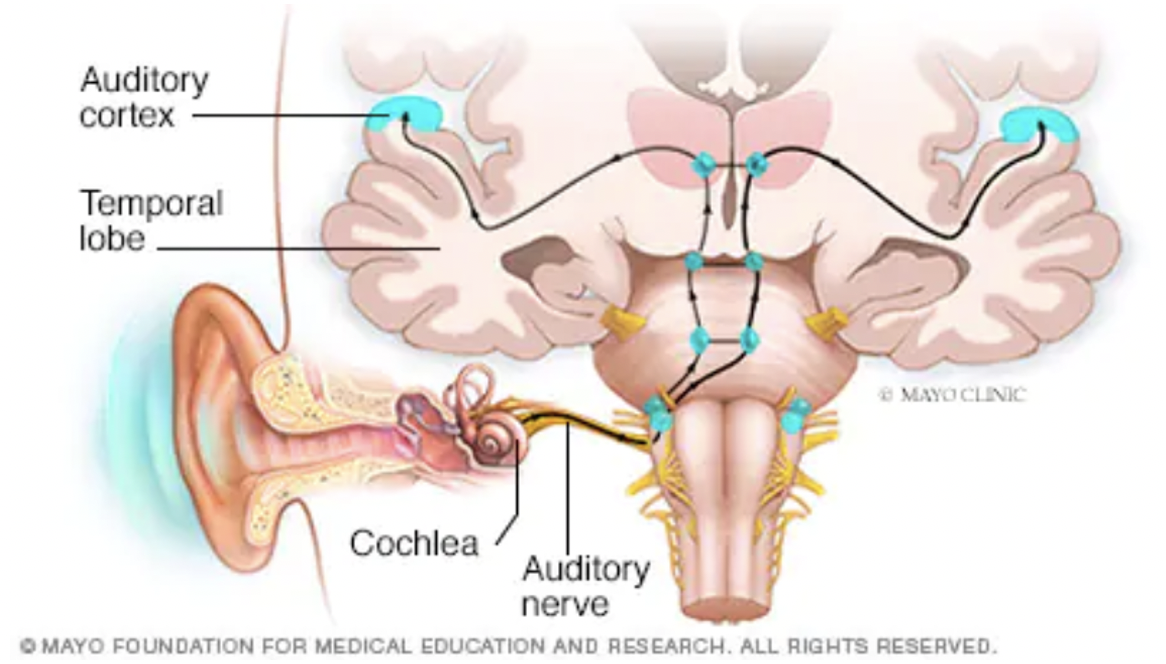
What are the causes?
Hearing loss can have many causes, sometimes involving several factors.
Genetic- In more than 50 percent of pediatric hearing loss cases, it is believed that genetic factors are the cause. Genetic or hereditary hearing loss occurs when a gene from one or both parents affects any portion of the outer, middle, or inner ear, causing varying degrees of hearing loss.
Prenatal Exposure- In some cases, an infection during pregnancy, illness, or toxin during the mother's pregnancy can affect the developing baby and contribute to hearing loss.
Perinatal Experiences- Procedures performed or medications used to save a baby's life in an emergency (such as using a ventilator or a strong antibiotic) can also affect hearing.
Acquired Hearing Loss - When hearing loss occurs after birth, it is often due to factors such as:
• Chronic ear infections, also called otitis media, are a common issue for many children and typically cause only temporary hearing loss. However, prolonged issues without treatment or repeated cases can affect hearing and cause more permanent damage.
• Ototoxic drugs: Some medications used to treat serious conditions, including meningitis, can affect hearing.
• Disease: Conditions such as otosclerosis, Ménière's disease, meningitis, and mumps can affect hearing. The impact on hearing varies depending on the cause, severity, and duration of treatment.
• Head injury: Head trauma can dramatically affect hearing, especially in children who are still growing.
• Perforated eardrum: Ear infections, head trauma, or the insertion of a foreign object into the ear (small toys, pens, cotton swabs, ear candles, etc.) can damage the eardrum. A perforated or torn eardrum will frequently heal with proper treatment, and the accompanying hearing loss may be temporary.
Unknown Causes - In some cases, it may be impossible to pinpoint why a person is deaf or hard of hearing. Uncertainty about the cause can complicate decisions about management.
How do we diagnose hearing loss?
Difficulty hearing speech or a screening result may prompt a hearing evaluation. An audiologist or doctor can assess the type and extent of hearing loss using professional tests.
1. General screening tests. Doctors may use the whisper test, asking a person to cover one ear at a time to assess their response to words and other sounds. Its accuracy can be limited.
2. Physical exam. The doctor will examine the person's ears for possible causes of hearing loss, such as earwax or inflammation from an infection. Doctors also check for structural causes of hearing difficulties.
The picture shows how earwax may affect the volume of sound people are hearing.
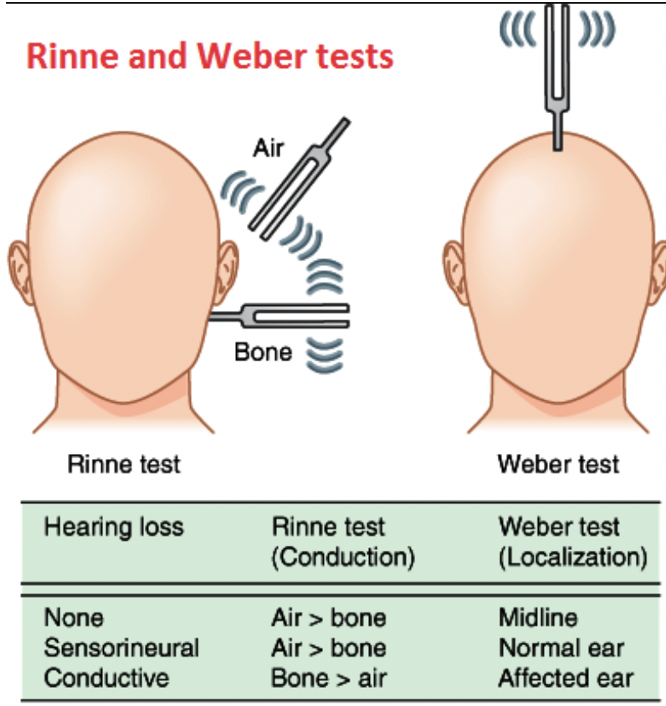
3. Tuning fork tests. Tuning forks are two-pronged metal instruments that produce sounds when struck. Simple tests with tuning forks can help doctors detect hearing loss. This evaluation may also reveal where in the ear a problem may be occurring.
4. Audiometer tests. During these more thorough tests conducted by an audiologist, people wear earphones and hear sounds and words directed to each ear. Each tone is repeated at faint levels to find the quietest sound people can hear.
5. App-based hearing tests. Mobile apps are available that people can use on their tablets to screen for moderate hearing loss every day.
The results can be shown on an audiogram, like the graphs below.

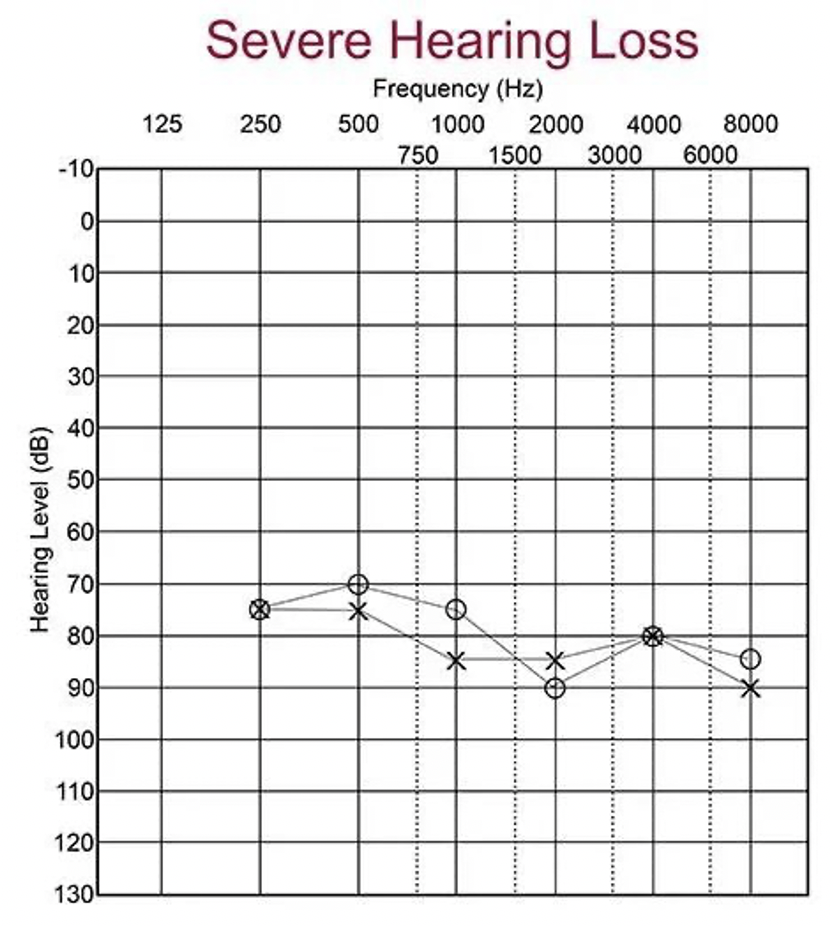
The graph on the left shows the different levels of hearing loss and where the graph would be drawn in different cases. The graph on the right shows an example of hearing thresholds for a person with severe hearing loss.
An audiogram helps an audiologist understand hearing thresholds and consider suitable management options.
Treatment of hearing loss
Management varies from person to person and depends on the type and cause of hearing loss.
Treatment for conductive hearing loss
1. Hearing instruments such as hearing aids or implants such as bone conduction devices.
2. Surgery:
a. Stapedectomy. This surgery is a treatment for a disease called otosclerosis. In otosclerosis, the smallest bone in the ear, the stapes, becomes fixed to the surrounding bone resulting in conductive hearing loss. The surgery will replace this bone with a prosthesis, significantly improving sound conduction and hearing.
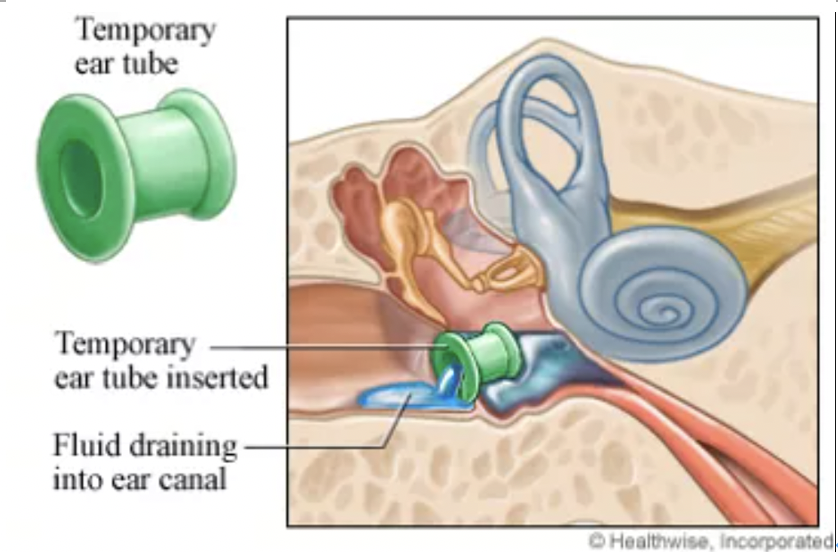
b. Pressure-equalization tubes. This surgical treatment involves placing a small tube through the eardrum to allow air into the middle ear. This surgery is commonly performed in children or adults due to chronic middle ear fluid and infections. This fluid frequently clears without surgery but can sometimes linger and cause hearing loss and severe damage to the middle ear. These tubes can help restore hearing by draining the fluid and healing the inflammation in the middle ear.
c. Middle ear surgery. Some diseases of the middle ear can also cause conductive hearing loss. The two most common causes of this loss are a hole in the eardrum or erosion of one or more hearing bones. When there is a hole in the eardrum, the sound is not transmitted appropriately to the hearing bones and into the inner ear. Similarly, when the hearing bones are not joined together, the sound is not effectively conducted from the eardrum to the inner ear. Surgical interventions can fix holes in the eardrum or replace missing hearing bones with prosthetic bones.
Treatment for Sensorineural hearing loss
1. Hearing aids. For some people with inner-ear hearing loss, a hearing aid can be helpful. An audiologist can discuss with the patient the potential benefits of a hearing aid and fit an appropriate device. The choice of hearing aid depends on the individual’s needs and preferences.
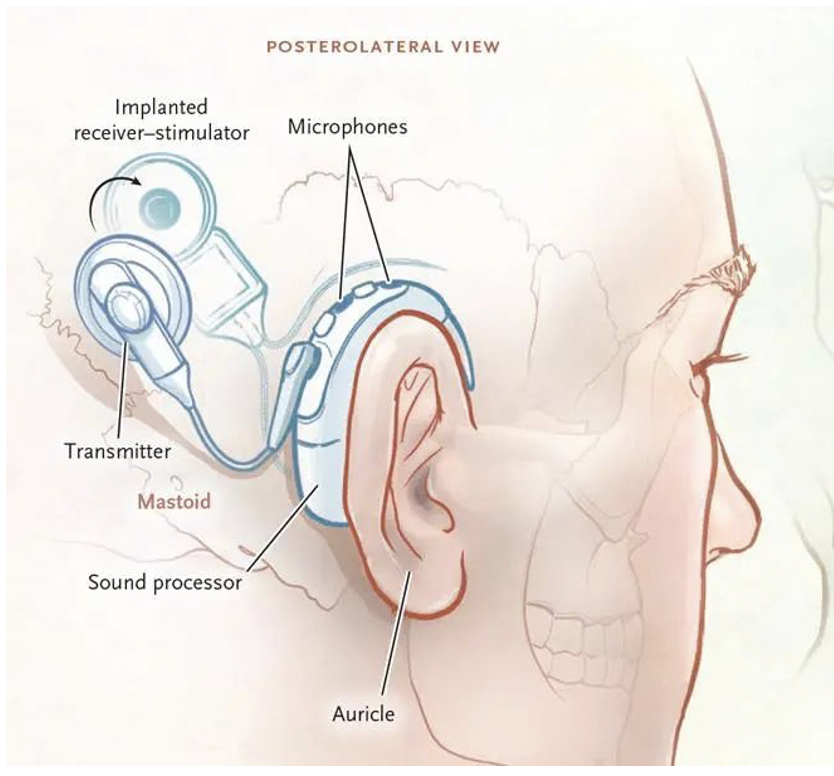
2. Cochlear implants. A cochlear implant may be an option if people have more severe hearing loss and gain limited benefits from conventional hearing aids. Unlike a hearing aid that amplifies sound and directs it into the ear canal, a cochlear implant bypasses damaged or non-working parts of the inner ear and directly stimulates the hearing nerve.
3. Experimental drug research: FX-322
FX-322 was investigated as a way to stimulate inner-ear sensory-cell regeneration. In 2023, its Phase 2b study did not meet the primary endpoint for speech perception, and Frequency Therapeutics discontinued FX-322 and FX-345. Company update filed with the SEC, March 2023.
4. Early gene-therapy research involving TMC1 and TMC2. These genes are involved in converting sound into electrical signals.
a. In the early study reviewed here, researchers tested gene therapy in two types of mutant mice. One type had the TMC1 gene completely deleted and is a good model for recessive TMC1 mutations in humans: Children with two mutant copies of TMC1 have profound hearing loss very young, usually by two years of age.
b. The other type of mouse, Beethoven, has a specific TMC1 mutation—a change in a single amino acid—and is a good model for the dominant form of TMC1-related deafness. In this form, less common than the recessive form, a single copy of the mutation causes children to gradually go deaf beginning around 10 to 15 years of age.
c. In both cases, to deliver the healthy gene, the team inserted it into an engineered virus called adeno-associated virus 1, or AAV1. They then injected the virus into the inner ear of both mice. They reported the following results:
• In the recessive deafness model, gene therapy with TMC1 restored the ability of sensory hair cells to respond to sound—producing a measurable electrical current—and restored activity in the auditory portion of the brainstem.
• The experiments also measured behavioural responses to sound in the mice. The researchers placed the mice in a "startle box" to test hearing and sounded harsh, loud tones. Mice with TMC1 mutations will sit there, but they jump as high as control mice after gene therapy. (The force of their jump was measured by a plate on the floor underneath them and was detectable at sounds beginning around 80 decibels.)
• In the dominant deafness model, gene therapy with a related gene, TMC2, was successful at the cellular and brain levels, with partial restoration of responses in the startle test.
This section describes an early mouse study, rather than the current state of all hearing-loss gene therapies. The original work investigated TMC-related genetic deafness and the possibility of developing future treatments.
5. Stem cell transplantation. The stem-cell studies reviewed here explored transplantation into the inner ear. The delicate hairs inside our cochlea, or inner ear, help us hear. Damage to these hairs can lead to permanent hearing loss. Stem cells can function like other cells and also make new cells. Researchers investigated whether transplanted cells could develop properties of inner-ear cells and support hearing.
a. Neural stem cells (NSCs) are multipotent stem cells that can differentiate into neurons or glial cells isolated from the hippocampus and cerebral cortex. Several studies have shown promise in using these NSCs in treating sensorineural hearing loss by replacing spiral ganglion neurons or by replacing inner ear hair cells.
b. Embryonic Stem Cell (ESC) Therapy. The first study to be performed with ESCs in an attempt to improve sensorineural hearing loss was in 2003. The study described a protocol for generating inner ear progenitor cells in large numbers, which displays the promise of using ESC-derived progenitor cells in vivo as a possible future approach to hearing-loss treatment.
c. Mesenchymal Stem Cell (MSC) Therapy. A study performed in 2007 led by Sang-Jun Jeon of the Harvard Medical School reported positive results indicating that MSCs are a viable choice for replacing damaged or lost hair cells when combined with the overexpression of Math1
d. Induced Pluripotent Stem Cell (iPSC) Therapy. iPSCs are formed by the forced expression of several transgenes, usually a mixture of Oct3/4, Sox2, Klf4, and c-Myc, which can reprogram human, mouse, rat, monkey, and dog somatic cells. The results of the Stanford University School of Medicine experiment suggested the possibility of using iPSCs, as well as ESCs, to generate mechanosensitive hair cell-like cells that could replace hair cells in cases of hearing disorders
e. Based on all the studies, the four types of stem cells showed potential for further investigation into sensorineural hearing loss.

Treatment for neural hearing loss
Cochlear implants rely on a functioning auditory nerve to carry signals to the brain. The earlier sources reviewed here also discussed auditory brainstem implants for some situations involving a damaged or absent nerve.
Management of auditory neuropathy
1. cochlear implant – a surgically implanted device that stimulates the nerves of the inner ear
2. Frequency-modulation (FM) systems are wireless assistive listening systems. They can be used with hearing aids or cochlear implants, or by people who do not wear hearing aids, particularly over distance and in noisy environments.
3. hearing aids

Reference:
Amieva & Ouvrard, 2020;
Chandrasekhar et al., 2019;
FM Systems, n.d.;
Frequency Therapeutics Announces New FX-322 Results Showing That Additional Study Participants Gain Hearing Improvements at Later Time Points - Frequency Therapeutics, n.d.;
Fw: 机械敏感通道的研究n.d.;
Gene Therapy Restores Hearing in Deaf Mice, n.d.;
Hearing Loss Explained, n.d.;
Stem Cell Treatment for Hearing Loss, n.d.;
Surgical Treatment for Hearing Loss | TriHealth, n.d.;
The Use of Stem Cells in the Treatment of Sensorineural Hearing Loss, n.d.; What Is an Audiogram? – Understanding Hearing Test Results | Babyhearing.Org, n.d.;
Groves et al., 2013, p. 28, 2013; Hu et al., 2016; Jia et al., 2020, p. 1;
Ma et al., 2019; McLean et al., 2016;
Pivetti et al., 2003; Yin et al., 2014)
Clarification sources: NIDCD — Hearing evaluation; Askew et al., 2015 — Tmc gene therapy in mice; NIDCD — Hearing aids.